




Gender equity isn't happening fast enough. People Made's ‘Time to redesign’ report reveals the practical actions leaders can implement now to redesign workplaces.
Are workplaces designed for men?

Written by -

In brief
More women are in work than ever before, but this isn't translating into gender parity at all levels. People Made spoke with 125 people across industries in the UK, Ireland, USA, and Sweden to understand what's holding women back from career progression and leadership - and what businesses can really do about it.
Whether you're a CEO looking to unlock untapped potential or an HR leader driving culture change, these insights offer a roadmap for creating truly inclusive environments.
125
People interviewed across multiple industries and geographies
2073
The year we'll reach boardroom parity at the current pace (Deloitte 2024)
78.4%
Companies and public bodies in the UK that pay men more than women (ONS 2024)
33.9%
Women holding leadership roles in the UK's FTSE 250 (FTSE Women Leaders Review 2024)
5%
Eligible fathers and partners who have taken Shared Parental Leave (HMRC 2023)
30%
Proportion of the world's workforce that will be Gen Z by 2030
"The societal role of women is overwhelming and overshadows everything...this is a multilayered challenge that requires delving down and looking at everything from top to bottom."
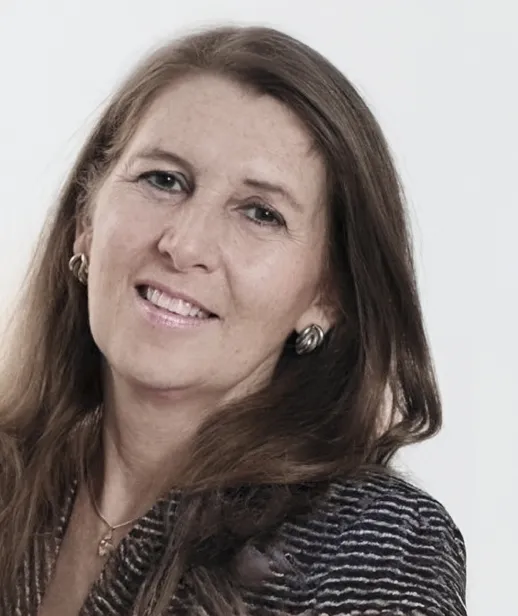
Denise Wilson,
Former CEO of FTSE Women Leaders
Key Findings
1. Flexibility is the foundation Every single person interviewed mentioned the importance of flexibility. The traditional workday was designed for households with one person working and one at home - it's not structured for dual income households juggling work with caring responsibilities.
2. Women's careers require different pathways The biological impact of having children and menopause arguably have the biggest impact on a woman's career. Both happen at key points when women are hitting their stride, making a linear climb up the ladder very difficult.
3. Culture change starts at the top Buy-in from the CEO is crucial for any progress. Leadership styles are evolving from hierarchical command and control to requiring both EQ and IQ - leaders who possess empathy alongside commercial acumen.
4. Men hold the keys to change Gender equity isn't a problem for women to fix alone. Men play a vital role as allies and activists. As one participant noted: "Men don't seem to realise that they hold the keys, and they have to open the door.
5. Generation Z is changing expectations By 2030, roughly 30% of the world's workforce will be Gen Z. They're entrepreneurial side hustlers, highly purpose-driven, and will vote with their feet if environments don't work for them.
Explore the complete research, 10 detailed action plans, and real-world examples from industry leaders.
Want to go deeper?
If you'd like to discuss how these insights could inform your workplace culture strategy, we'd be happy to connect you with our brand and culture specialists at People Made.