





Sort By
- Editor's picks
- Latest

Blog
Culture at the Edge: when values, behaviour and reality don’t match
Explore how organisational culture shapes performance, risk and trust, and how businesses can understand, align, embed and report on culture effectively.
View More >>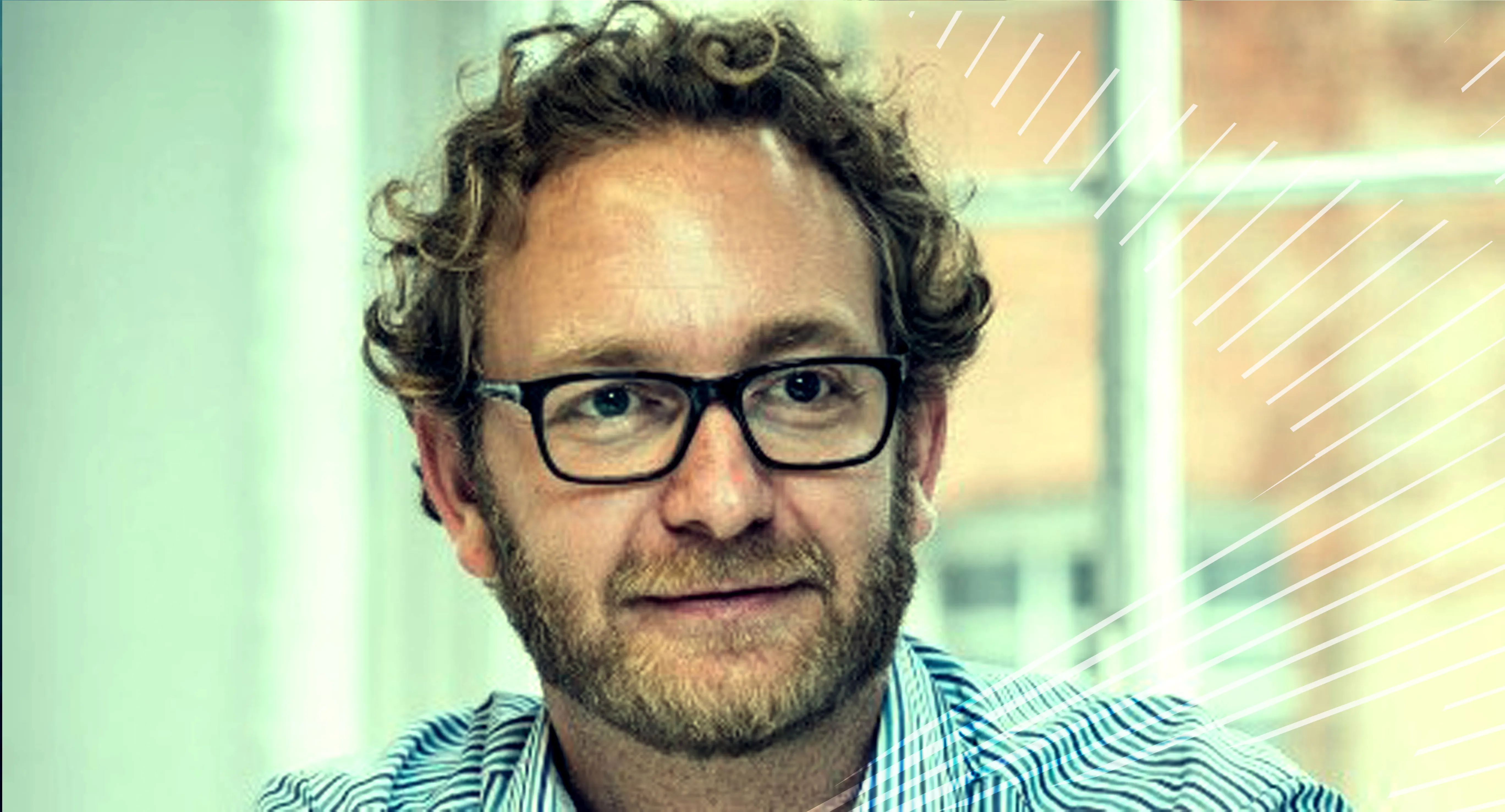
News
Positive Change Group appoints Leighton Barnish to lead stakeholder advisory
With 25 years’ experience spanning AstraZeneca, Syngenta and Sodali, Leighton joins PCG to help clients navigate complex stakeholder challenges.
View More >>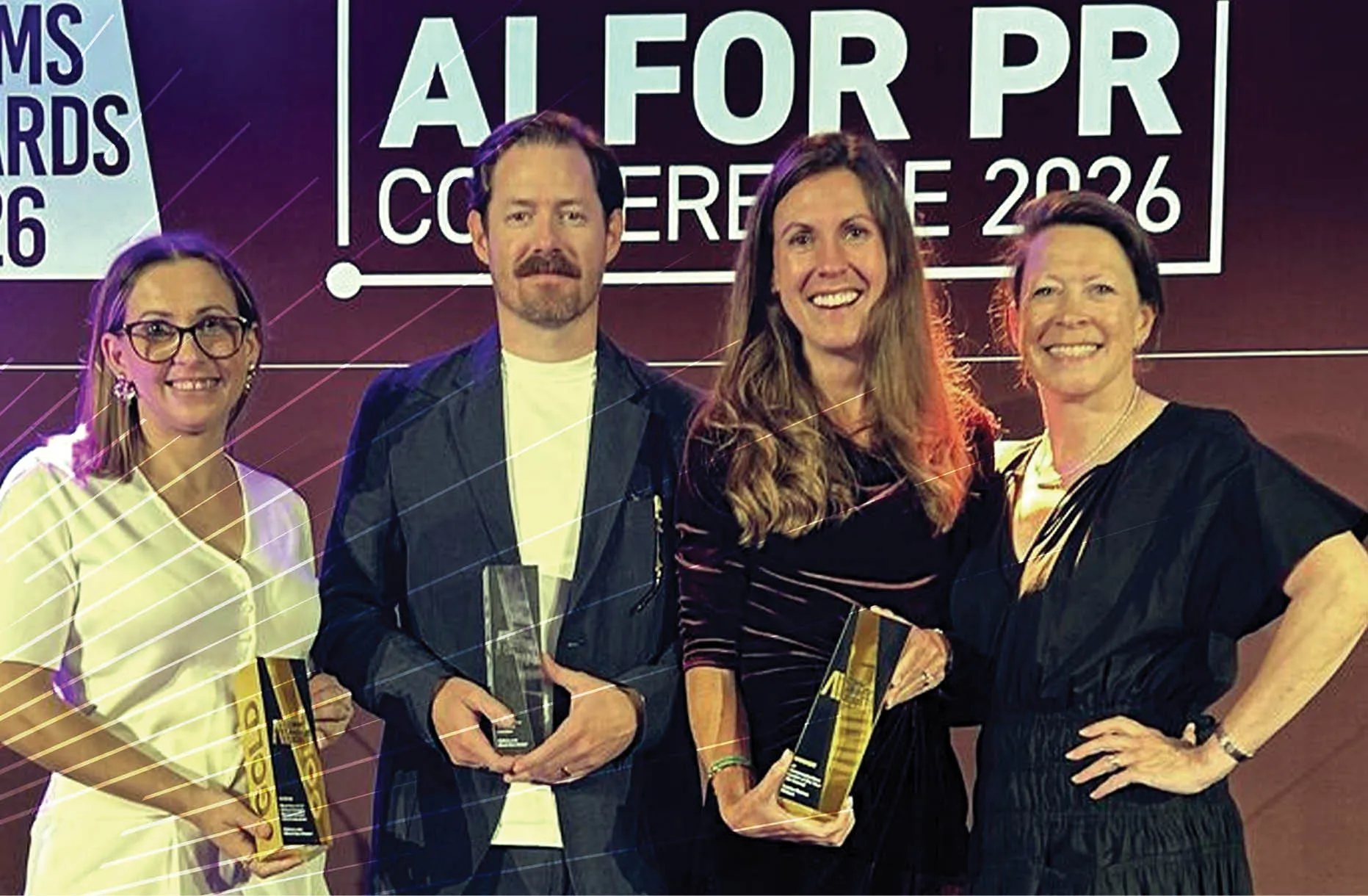
News
Black Sun Global wins Gold with Haleon at the AI Comms Awards
Black Sun gets industry recognition for its work with pharmaceutical giant, Haleon, as AI becomes one of its most engaged audiences.
View More >>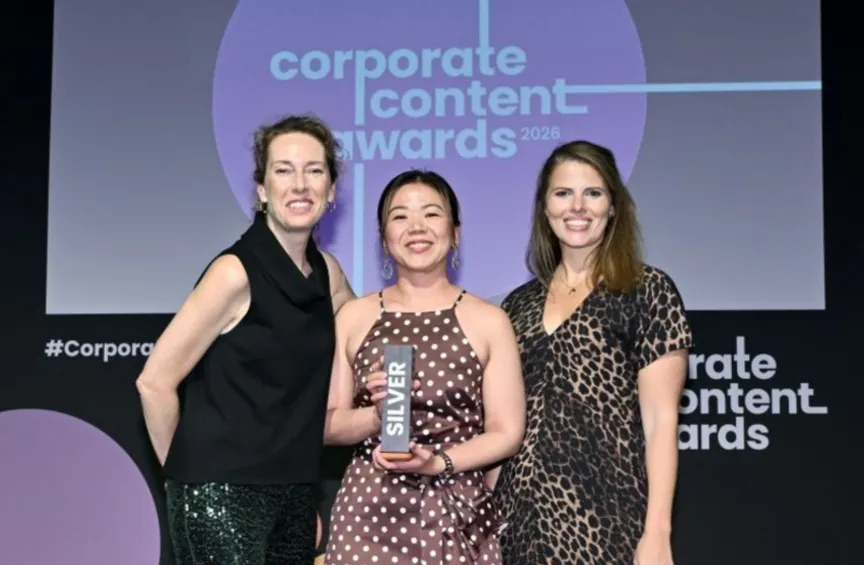
News
Positive Change Group wins Silver at Corporate Content Awards 2026
Black Sun Global and Stratton Craig win Silver in Best Purpose-Driven Content at the Corporate Content Awards 2026 for DTEK’s Fight for Light Action Report.
View More >>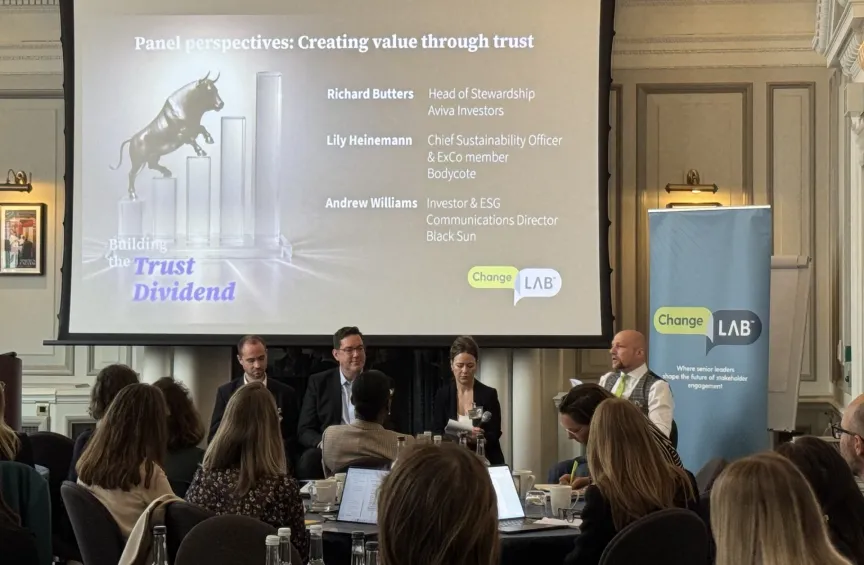
Event
The trust gap: what FTSE 100 annual reports are still getting wrong
Most listed companies still can't clearly prove their investment case. Senior leaders gathered to dig into the latest research findings — and what boards need to do differently.
View More >>
News
Helen Bennett appointed Group CEO of Positive Change Group
Former Weber Shandwick UK CEO Helen Bennett joins Positive Change Group to its next chapter of international growth for the global stakeholder engagement group.
View More >>
Blog
Stakeholder engagement is broken - the rules have changed
AI has become a stakeholder. Visibility is total. Inconsistency is now consequential. The model most businesses still rely on was built for a different era.
View More >>
Event
The culture clash: Addressing the disconnect in business
Boards are under growing pressure to understand and evidence culture as a driver of risk, performance and trust. This session brings senior leaders together to explore how leadership, communications, employee experience and reporting must connect to make culture credible.
View More >>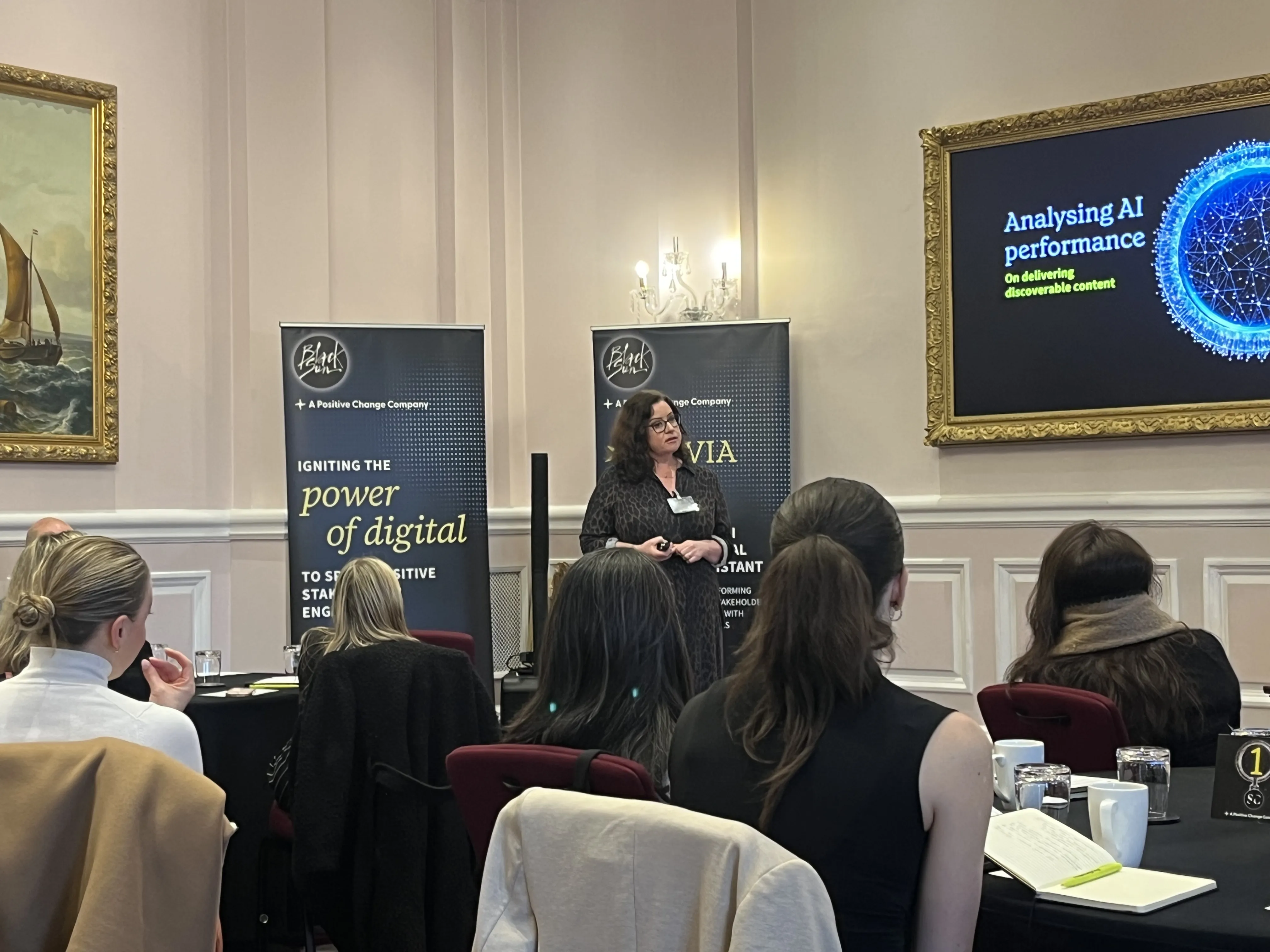
Event
The AI search revolution
Leaders from HSBC, Vodafone, GSK, Barclays came together to discuss how AI is changing the way stakeholders find and judge their corporate stories. Explore what this means for your digital communications - and the practical steps needed to stay visible, credible and in control.
View More >>
Research
CSRD reporting is becoming more confident but less consistent
A follow-up analysis of early adopters shows shorter, sharper Sustainability Statements - and growing divergence in how the rules are applied.
View More >>
Interview
Amber Vodegel
Reimagining women’s health through AI
How the creator of one of the world’s biggest pregnancy apps is launching a privacy-first menstrual health platform for 100M users.
Watch interview >>
Research
Work isn’t settling down - expectations are rising instead
A new 2026 report draws on cross-industry insight to examine how organisations are adjusting to continuous change, AI adoption and shifting workforce expectations.
View More >>
Case Study
Meta cracks the code on global talent strategy
Tech powerhouse creates unified employer brand and specialised engineering EVPs to attract top talent in competitive market.
View More >>
Blog
AI search is changing who gets seen…and who disappears
AI search is shifting from optimisation to understanding. Discover how credibility, structure, and authenticity now decide which brands stay visible in the age of AI.
View More >>
Interview
Patrick Spence
Turning a scandal into a movement
The producer behind BAFTA-winning Mr Bates vs The Post Office reveals how storytelling sparked national accountability.
Watch interview >>
Case Study
A strategic reporting suite that shaped Schroders' next chapter
FTSE 100 investment manager delivers five reports and Workiva migration in eight weeks, maintaining market confidence during critical CEO transition.
View More >>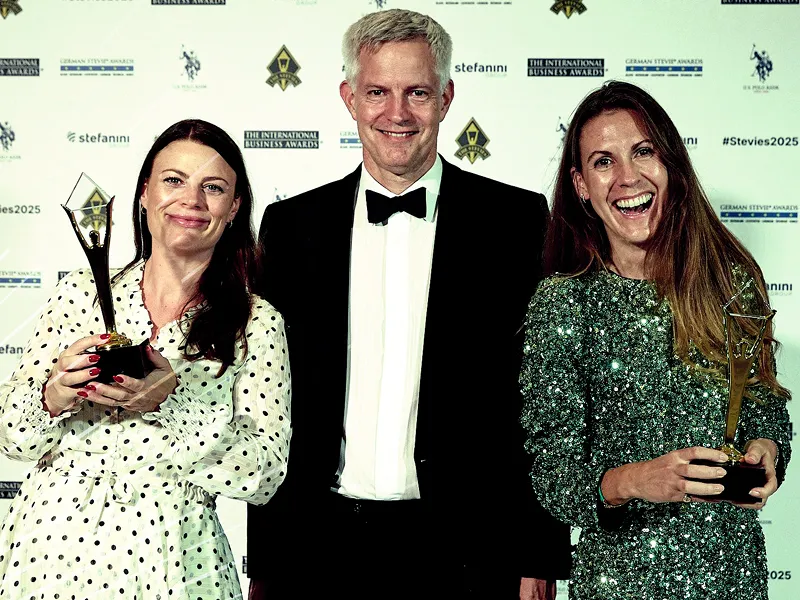
News
Black Sun’s digital work for Haleon wins two Gold Stevie® awards
Black Sun Global has been recognised at the 2025 International Business Awards®, winning two Gold Stevie® Awards for its digital work with Haleon.
View More >>
Interview
Wesley Tucker
Tracking trust in the diamond trade
As CEO of Tracr, De Beers’ blockchain platform, Wesley is driving a new era of transparency in one of the world’s most scrutinised supply chains: diamonds.
Watch interview >>
Blog
Research shows winning the AI race starts with culture, not code
New research reveals that AI’s biggest barriers are human. Explore how culture, trust, and leadership can accelerate your organisation’s AI transformation.
View More >>
Case Study
AstraZeneca solves multi-business employer brand problem
Pharmaceutical giant creates nine tailored EVPs across 23 markets while building one unifying identity: 'Diverse Minds. Bold Disruptors. Meaningful Impact.'
View More >>
Blog
The hidden cost of fragmented narratives
Disconnected communications are more than just a brand problem – they’re a drain on trust, resources, and strategic alignment.
View More >>
Interview
Dave Allen
Innovation with a conscience
What If co-founder on his mission to build a better model of capitalism—by backing entrepreneurs who think differently.
Watch interview >>
Case Study
Carlsberg's new reporting playbook: A CSRD story
Global brewing giant transforms regulatory complexity into a powerful stakeholder narrative, setting new standards for CSRD reporting and purpose-driven communication.
View More >>
Research
How corporate DEI language is changing
Stratton Craig’s new analysis tracks how major companies are adjusting the language and tone of their DEI disclosures in 2025 - and the emerging signals leaders should be watching.
View More >>
Interview
Victoria Gartside
Steering an aviation giant through transformation
With global air travel halted overnight and the future uncertain, Victoria faced the immense task of rapidly rebuilding trust, reshaping the organisational culture, and dramatically scaling operations as restrictions eased.
Watch interview >>
Blog
Why employer brand perception is the next corporate reputation test
How talent sees you matters. Discover how People Made’s latest research links employer reputation to trust and long-term success.
View More >>
Case Study
Diamonds, Voices, Impact: De Beers rewrites sustainability
De Beers transforms sustainability reporting with human‑centred stories that reveal real impact across global communities and its diamond supply chain.
View More >>
Research
Singapore’s leading companies face new digital realities
Latest Digital Index report shows how AI, regulation and shifting audience habits are transforming digital communication in Singapore.
View More >>
Interview
Marco Lambertini
Making nature everyone’s business
The former WWF chief is bringing together companies and conservationists behind the bold Nature Positive Initiative, putting biodiversity at the heart of global decision-making.
Watch interview >>
Case Study
Coca-Cola HBC Transforms digital stakeholder engagement
From fragmented sites to a connected ecosystem - how one of the world’s biggest bottlers boosted engagement by 52% and redefined stakeholder storytelling.
View More >>
Blog
The Internet is under threat
AI is quietly stripping the economic fuel that kept the open web alive. Group AI Czar, Rod Banner, reveals why its foundations are cracking and what the industry must confront next.
View More >>
Interview
Libby Townsend
Driving growth in a legacy business
Libby shares how she and her team helped codify UW’s culture, define a shared language for leadership, and bring together long-standing employees and fresh recruits around a clearer, more connected way of working.
Watch interview >>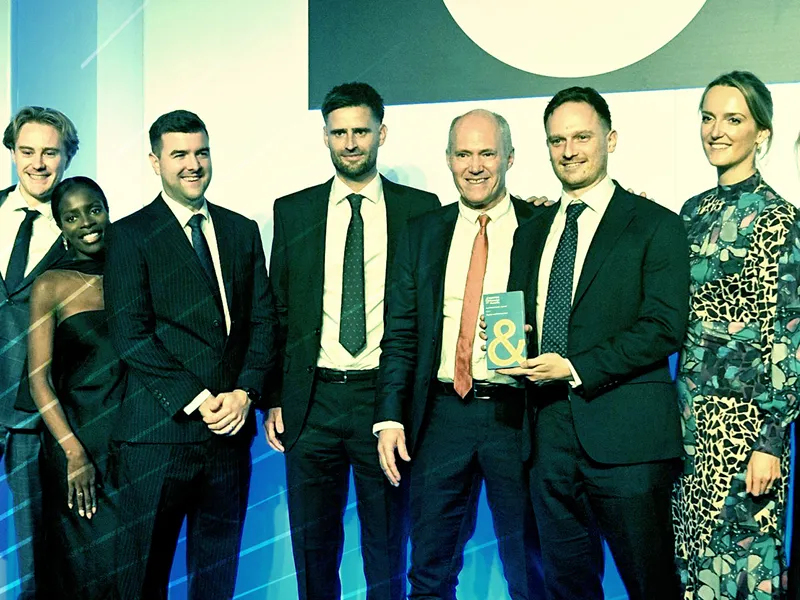
News
Black Sun celebrates seven wins at the Corporate & Financial Awards 2025
Black Sun Global and its clients celebrate a stellar night at the 2025 Corporate & Financial Awards, securing seven trophies across digital and reporting.
View More >>
Case Study
Rightmove turns compliance into competitive advantage
Rightmove turns compliance into competitive advantage
View More >>
Blog
What Gen Z is teaching business about the future of work
Gen Z are reshaping the workforce faster than leaders realise. Discover what this generational shift means for culture, talent, and the future of leadership.
View More >>
Research
What Singapore’s top 30 companies reveal about reporting
Black Sun APAC research reveals how Singapore’s top companies communicate trust - and where reporting transparency still falls short.
View More >>
Blog
What Singapore’s Budget 2026 means for business
Behind the policy detail sits a clearer message: strategy needs to adapt, disclosures need to hold up, and assumptions around growth, talent and sustainability are being tested.
View More >>
Case Study
Burger King rewrites culture change
How 160 employees and unconventional workshops helped deliver 68% revenue growth and £33.4m operating profit in the UK market.
View More >>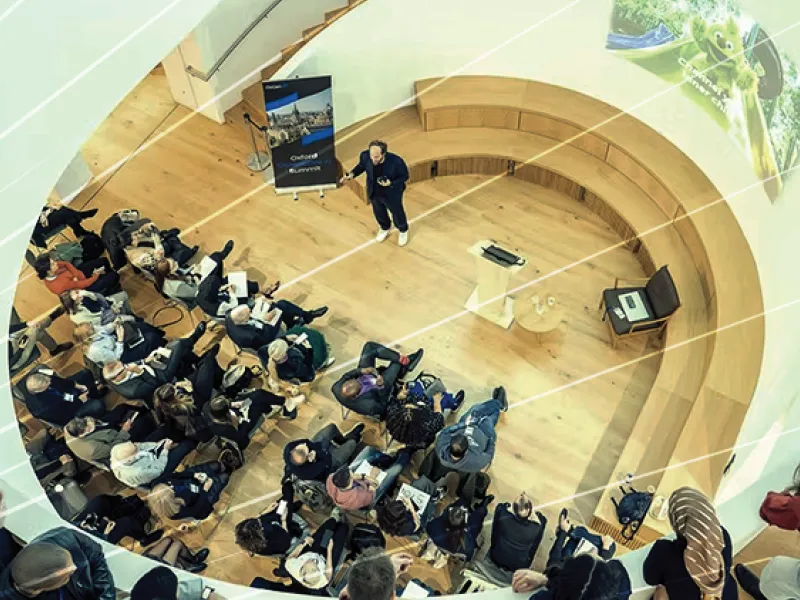
News
Positive Change Group at Oxford AI Summit
Insights from Oxford’s flagship event reveal how organisations must rethink governance, human agency and value creation as AI reshapes stakeholder expectations.
View More >>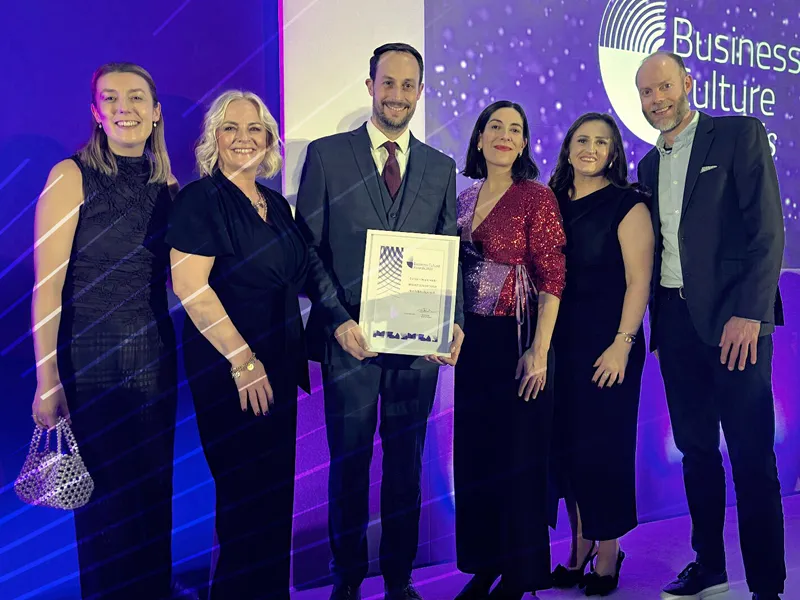
News
People Made and Currys recognised at the Business Culture Awards 2025
People Made and Currys recognised for their work in transforming Currys' employer brand at the 2025 Business Culture Awards.
View More >>
Event
The Digital Shift: What it means for corporate reporting
The rules of corporate reporting are being rewritten. From AI-driven analysis to the rise of the digital-first stakeholder, join us as we explore the future of reporting.
View More >>
Case Study
Inmarsat creates a global digital destination
New People Made research reveals women still face significant barriers to leadership. Discover 10 practical actions leaders can implement now to build truly inclusive environments that unlock potential across their organisations.
View More >>
Research
AI is reshaping digital communications landscape
Black Sun's 10th annual Digital Index reveals a record 52% performance gap between digital leaders and laggards. Discover which companies are excelling at stakeholder engagement and the strategies driving their success.
View More >>
Blog
AI is changing the workplace. Culture decides how
Insights from a global roundtable of brand and HR leaders reveal why culture, not code, will shape how businesses adopt AI, build trust, and protect what makes them human.
View More >>
Case Study
Vestas builds global voice
Wind energy giant creates unified communications approach with comprehensive tone of voice guidelines that align teams across continents.
View More >>
Blog
Can Asia build the trust to lead on climate?
Insights from Temasek’s Ecosperity Week show why credible, data-led stakeholder engagement will be central to Asia’s climate fight — shaping investment, policy, and public support across the region.
View More >>
Research
First CSRD reports reveal new patterns
What can we learn from the pioneers of sustainability reporting? Black Sun's analysis of the first 20 CSRD-compliant statements uncovers crucial insights on length, structure, and integration that will shape your company's approach.
View More >>
News
Black Sun Global unveils AI chatbot
New AI assistant transforms passive corporate sites into smart, dynamic conversation tools. AIVIA reveals what stakeholders actually want while delivering personalised experiences.
View More >>
Blog
2026 Review: What’s changing in stakeholder engagement?
AI is maturing, ESG is tightening, and authenticity matters more than ever. PCG executives share the trends reshaping how businesses build trust this year.
View More >>
Event
When AI becomes your first audience
Leaders from financial services, legal, technology and creative sectors explored how AI now interprets, reshapes and often distorts brand content before humans see it. The discussion surfaced real tensions: creating AI-friendly clarity while preserving the distinctiveness, emotion and personality that build trust.
View More >>
Case Study
Bunzl shapes investor trust through ESG
Distribution giant reinvents its investor narrative, driving an 8% share price increase and elevating ESG ratings through strategic communications.
View More >>
Research
Are workplaces designed for men?
What can we learn from the pioneers of sustainability reporting? Black Sun's analysis of the first 20 CSRD-compliant statements uncovers crucial insights on length, structure, and integration that will shape your company's approach.
View More >>
Blog
AI isn’t underperforming - your prompts are
New People Made research reveals women still face significant barriers to leadership. Discover 10 practical actions leaders can implement now to build truly inclusive environments that unlock potential across their organisations.
View More >>
Case Study
Inriver builds market authority through technical content
As artificial intelligence transforms workplaces, companies must balance technology adoption with human connection. Discover how your organisation's culture can provide the essential compass for navigating this complex transition.
View More >>
Inriver builds market authority through technical content
As artificial intelligence transforms workplaces, companies must balance technology adoption with human connection. Discover how your organisation's culture can provide the essential compass for navigating this complex transition.
View More >>
Blog
Inside the next chapter of corporate reporting
Global hotel brand redefines its identity, creating a unifying culture that inspires 70,000 employees to deliver extraordinary guest experiences worldwide.
View More >>
Blog
Global EVPs: Why one size doesn't Fit all
As businesses rethink how they attract and keep talent, the best employer brands are doing one thing well: adapting. Geography, role, culture — the details matter more than ever.
View More >>
News
Strategic narratives reach Davos elite
Black Sun's work with DTEK on energy resilience and the Nature Positive Initiative on biodiversity featured at the World Economic Forum, showcasing how powerful storytelling can influence global leadership conversations.
View More >>
News
PCG takes first step in AI-led stakeholder engagement
As AI disrupts business communication, companies risk losing stakeholder trust. PCG's new AI Czar aims to help leaders turn technological challenge into competitive advantage.
View More >>
News
People Made wins top culture award
In a category packed with global names, People Made and Utility Warehouse were honoured for transforming internal culture - linking people, performance, and purpose to support long-term, sustainable business growth.
View More >>
News
Black Sun wins annual report of the year
PCG’s Black Sun and FTSE 250 engineering group Dowlais were honoured for a debut report that built investor trust through clear strategy, compelling narrative, and bold post-demerger positioning.
View More >>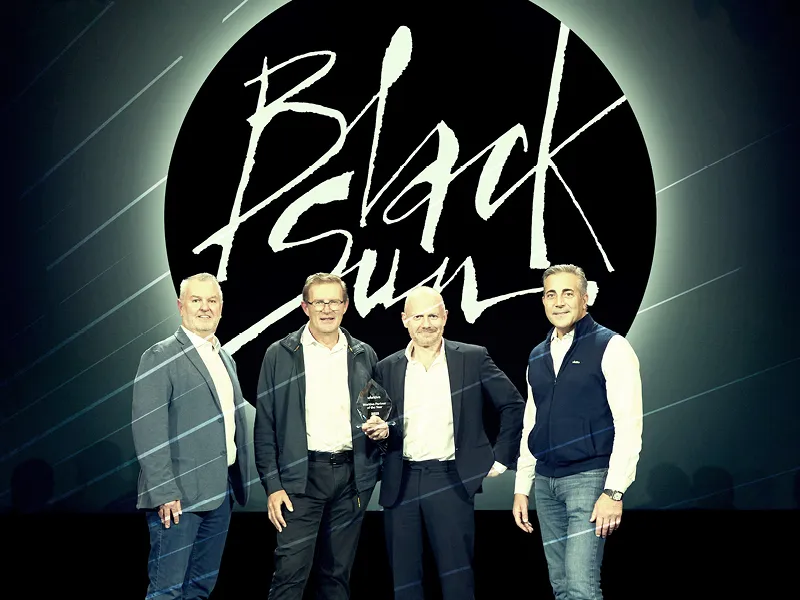
News
Black Sun Global wins top Workiva award
Named Corporate Communication Alliance Partner of the Year, placing it alongside PwC, Deloitte and Amazon Web Services - recognising its impact in reporting and disclosure.
View More >>
Event
Identifying what Gen Z really wants from work
Senior leaders from Liberty Global, Screwfix, and Selfridges explore how Gen Z is reshaping the workplace. From identity to mental health and purpose, the event looks at what it takes to build brands and cultures that the next generation wants to be part of.
View More >>
Event
Are boards ready for the AI reckoning?
With AI regulation looming and trust on the line, senior leaders from Board Intelligence, AstraZeneca, Rightmove, and On The Beach came together to explore how boards can tackle risk, readiness, and the governance gap.
View More >>
Research
FTSE 100 reporting enters a new era of trust and transparency
What’s really driving trust in FTSE 100 reporting today? Black Sun’s landmark 20th review uncovers the advances, the gaps, and the signals every business leader should be watching.
View More >>
What makes thought leadership… actually lead?
Original insight is rare. Most so-called thought leadership recycles the obvious, solves nothing, and fades fast. To cut through, start with experience — and speak to the problems your audience actually has.
View More >>
Blog
Why US service excellence falls short abroad
What works in the States doesn’t always land overseas. From Japan to the Middle East, cultural expectations shift fast - and US brands must rethink how they train, empower, and scale experience.
View More >>
Blog
Business leaders reveal top trends for 2025
Positive Change Group executives share insights on the forces reshaping business this year, from AI-powered stakeholder engagement to workplace transformation, authentic communication strategies, and heightened ESG scrutiny. Discover what's driving change in your industry.
View More >>No articles found for the selected filters.
Try adjusting your filters or view all articles.